Building Narrative (Discussion)
From Screenpedia
Jump to navigationJump to searchSigns of character[1]
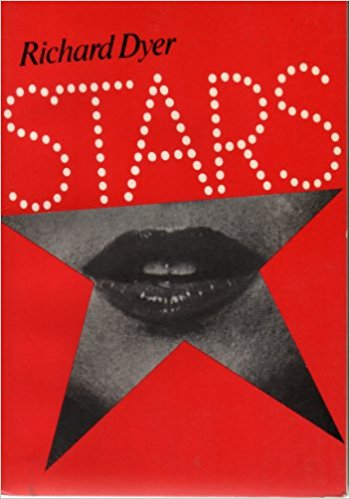
Stars, first edition.

- Viewer foreknowledge
- Character name
- Appearance
- Objective correlative
- Dialogue
- Lighting and videography or cinematography
- Action
How are these signs of character used to construct the characters in the "The Vartabedian Conundrum" episode of The Big Bang Theory? These screen shots mostly show their first appearance in this particular episode.
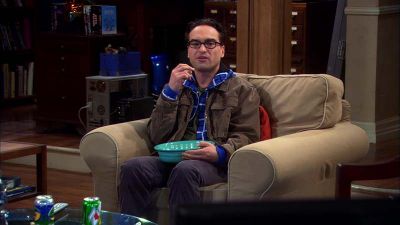
Group 2: Leonard Hofstadter (Johnny Galecki)
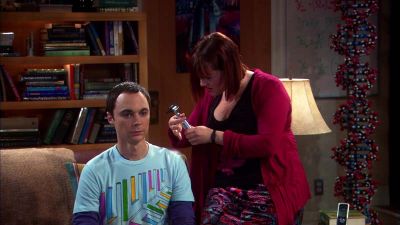
Group 3: Sheldon Cooper (Jim Parsons)

Group 4: Penny (Kaley Cuoco)

Group 1: Dr. Stephanie Barnett (Sara Rue), hospital scene
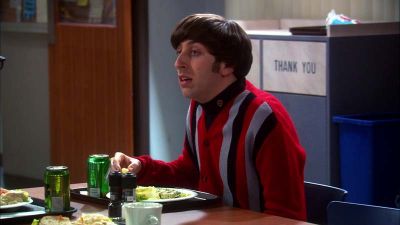
Group X: Howard Wolowitz (Simon Helberg)
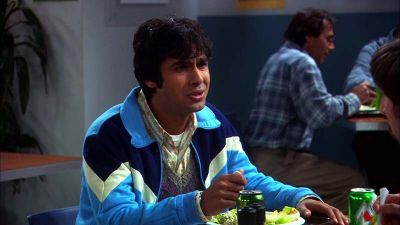
Group X: Raj Koothrappali (Kunal Nayyar)


Two more screen shots of Sheldon


Star texts
- Explain how these terms apply to the study of television stars:
- Stars as texts
- Media text
- Intertextual
- Polysemy
- How does the textbook distinguish a "star" from an everyday "actor"?
- Choose one star principally known for his or her work on television. What are some attributes of his or her polysemy? Explain how, according to Richard Dyer's approach, his or her polysemy is constructed from:
- Promotion
- Publicity
- Characters on TV programs
Selected stars
Signs of performance[1]
- Vocal
- Facial
- Gestural
- Corporeal
How are signs of performance highlighted by contrasting the performances of two actors in the same role?
- Aka, a "commutation test"
- For example, Meg Ryan and Lindsay Frost as Betsy in As the World Turns
- Watch videos on Blackboard, or
- Watch videos via Vimeo (password: tcf123abc! )
- Watch videos on Blackboard, or
Bibliography
- Jeremy G. Butler, Television: Visual Storytelling and Screen Culture, 5th edition (New York: Routledge, 2018).
- Richard Dyer, Stars, Second Edition, Supplementary Chapter by Paul McDonald (London: British Film Institute, 1998).
References
External links
Richard Dyer gallery
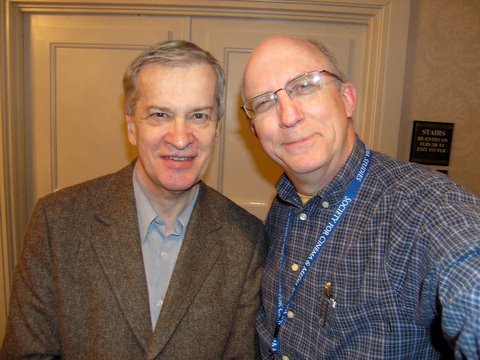
Richard Dyer and Jeremy Butler, Society for Cinema and Media Studies conference, 9 March 2007.
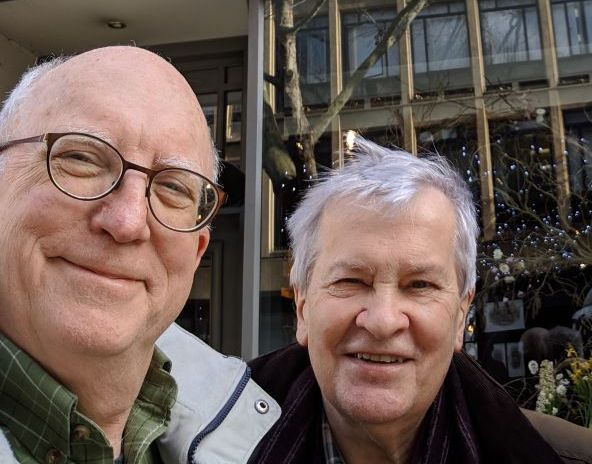
Jeremy Butler and Richard Dyer. London, March 2019.


